Continuous Line Design of Fast: A Designer’s Real-World Review
When I first downloaded the Continuous Line Design of Fast, I immediately thought of a client who wanted a minimalist embroidered tote bag for a new café launch. The brief was simple: clean, modern, and food-focused. This design promised to deliver with its single-line aesthetic and fast food theme. But does it hold up in real embroidery work? Let me walk you through my hands-on experience.
First Impressions: Clean, Playful, and Surprisingly Versatile
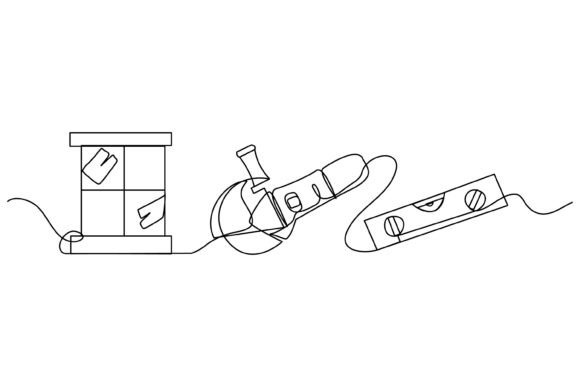
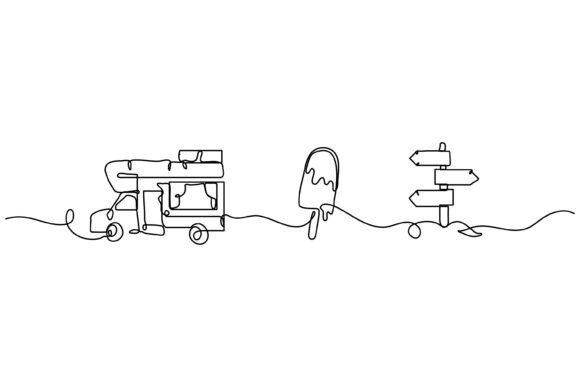
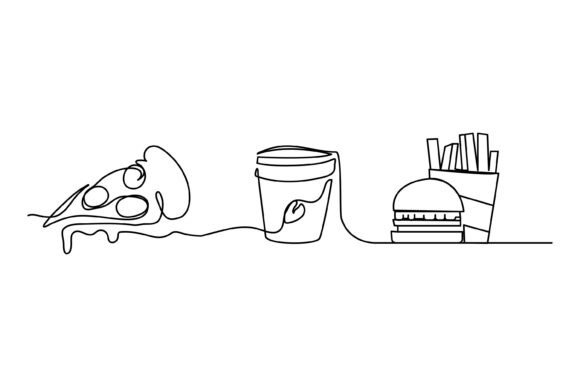
The design feels like a doodle that’s been refined—casual yet intentional. The continuous line approach gives it a hand-drawn charm without being too busy. It features a series of fast food items and drinks, all connected in a flowing loop. Visually, it’s light and airy, which makes it a good fit for brands or products that want to feel fun and approachable without being childish.
I could see this working well for boutique coffee shops, food truck merch, or even kids’ lunch totes. The white background (as described) suggests it's best suited for light-colored fabrics, but with some mockup testing, I found it could work on off-whites and soft pastels too.
Real-World Use: From Tote Bags to Sweatshirts
I tested the design on a few different items: a natural cotton tote, a black cotton sweatshirt (using white thread), and a linen baby bib. Each project gave me a different insight into how the Continuous Line Design of Fast behaves in practice.
- Tote Bag: The design stitched cleanly with no skipped stitches or thread breaks. It gave the tote a boutique-ready look without feeling too generic.
- Sweatshirt: Using a medium-weight stabilizer and a white polyester thread, the design held up well. The lines were crisp, and the continuous nature helped avoid density issues.
- Baby Bib: This was trickier. Some of the finer lines got slightly lost on the textured linen, especially near the drink outline. It wasn’t a dealbreaker, but it made me cautious about recommending it for very small or detailed baby items.
Overall, it performed well across different fabrics, especially when paired with the right stabilizer and thread contrast.
Where to Use It Carefully
While the Continuous Line Design of Fast is flexible, it’s not foolproof. Here are a few situations where I found it needed extra attention:
- Small hoop sizes: If you're working with a 4x4 hoop or smaller, some of the design’s charm gets lost. The lines are delicate, and detail can fade.
- Dark fabrics: The white background doesn’t always translate well to dark materials unless you use a light thread and preview digitally first.
- Stretchy fabric: Knits can distort the lines slightly if not stabilized properly, especially around the drink curves.
- Detailed corners: The drink straw and burger bun lines are very fine and can pucker if the stitch path isn’t smooth.
Use it with care in these cases, and always test on scrap fabric before committing to your final product.
How It Impacts Visual Appeal and Customer Perception
One of the biggest wins with this design is its ability to stand out without being overwhelming. It’s subtle enough for a boutique vibe but clear enough to be recognized at a glance. For Etsy sellers or small shop owners, that’s a big plus—it gives your finished product a handmade but professional edge.
Customers responded positively to the tote bag sample. They described it as “cute,” “unique,” and “not something you see everywhere.” That’s gold for crafters trying to build brand recognition. It also translated well into mockups, which helped when listing the product online. The single-line nature made it easy to scale and adapt across digital previews.
Design Notes for Embroidery Professionals
Here are some practical takeaways from using the Continuous Line Design of Fast in real projects:
- Test on scrap fabric first—especially if you’re using it on textured or dark-colored materials.
- Check thread color contrast to ensure the lines stay visible and sharp.
- Review stitch density—this design leans on running stitches, so it should be light and breathable on fabric.
- Confirm hoop size before starting. Don’t force it into a space it wasn’t designed for.
- Inspect small details like the drink straw or burger sesame seeds—they can get lost in stitching if not checked.
- Test in black and white mockups to see how it looks without color distraction.
- Compare light and dark fabric backgrounds to determine which thread color works best.
- Use proper stabilizer—medium-weight tear-away worked best for me on cotton and linen.
- Check licensing before selling finished items or digital products. Always verify if it's OK for commercial use.
Final Thoughts: A Solid Addition for Crafters and Designers
The Continuous Line Design of Fast isn’t a flashy design, but that’s exactly why I like it. It’s clean, usable, and adaptable—perfect for small business owners, Etsy sellers, and crafters who want to add a touch of personality without overcomplicating their embroidery projects. It’s especially useful for those creating custom apparel, tote bags, or boutique-style merchandise where a minimalist aesthetic is key.
If you're looking for a design that’s easy to stitch, translates well across fabric types, and adds a subtle brand touch, this one is worth a try. Just remember to test it first, adjust your thread and stabilizer as needed, and always preview it in your final product context before selling.